


Exploring Residential Stabilization Programs

When I first encountered the concept of residential stabilization care, I was struck by its potential to transform lives, especially for neurodiverse teens navigating the complexities of Autism and similar diagnoses. This approach offers a nurturing environment where young individuals can develop essential life skills, build confidence, and prepare for a future filled with possibilities. It is a journey marked by hope, patience, and steady progress.
Spark Balances residential stabilization care is more than just a temporary solution. It is a carefully designed program that supports teens in a warm, structured setting. Here, they can explore their strengths, address challenges, and gain the tools they need to thrive. The process is gentle yet purposeful, emphasizing growth at a comfortable pace.

Understanding Residential Stabilization Care: What It Means and Why It Matters
Residential stabilization care provides a safe and supportive space where neurodiverse teens can focus on developing independence and social skills. The environment is tailored to meet their unique needs, offering consistency and structure that help reduce anxiety and promote learning.
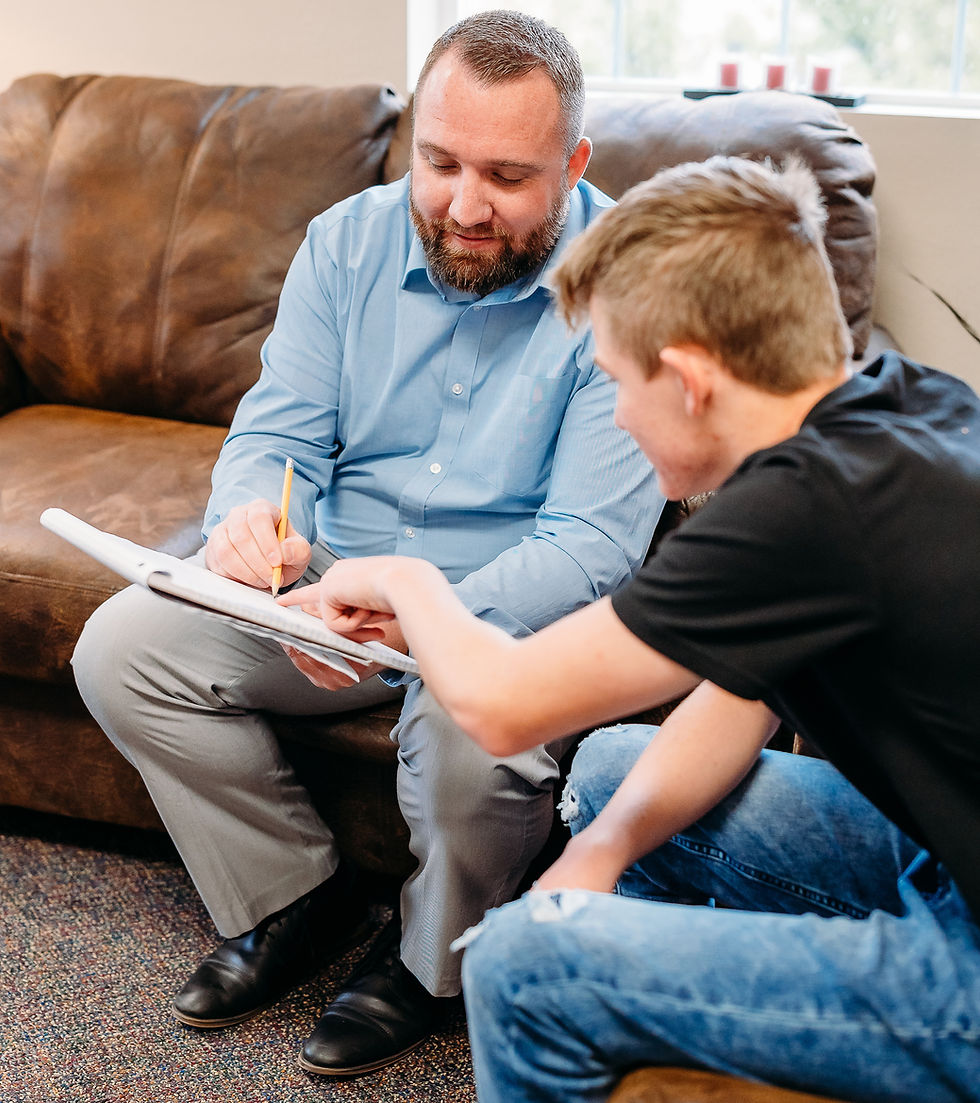
In this setting, teens receive personalized attention from trained caregivers who understand the nuances of Autism and related conditions. The goal is to create a balance between support and autonomy, encouraging young people to take small, meaningful steps toward self-sufficiency.
Some key features of residential stabilization care include:
Individualized care plans that address each teen’s strengths and challenges.
Skill-building activities focused on daily living, communication, and emotional regulation.
Therapeutic support to help manage stress and build resilience.
Family involvement to ensure continuity and reinforce progress at home.
This approach fosters a sense of belonging and accomplishment, which is crucial for teens who may have struggled with social isolation or self-doubt.
How Residential Stabilization Care Supports Neurodiverse Teens
The heart of residential stabilization care lies in its ability to meet teens where they are and guide them gently forward. For boys with Autism and similar diagnoses, this means creating routines that feel safe and predictable while introducing new experiences that encourage growth.
One of the most powerful aspects of this care is the focus on practical life skills. These might include:
Personal hygiene and grooming - learning to manage daily routines independently.
Nutrition and Healthy Choices - understanding healthy choices and diet basics.
Social interaction - practicing communication and relationship-building in a supportive setting.
Emotional regulation - developing strategies to cope with stress and sensory sensitivities.
Time management and organization - using tools and techniques to stay on track.
Each skill is introduced with patience and repetition, allowing teens to build confidence through success. The caregivers celebrate every achievement, no matter how small, reinforcing a positive self-image.
The environment also encourages exploration and creativity, offering opportunities for hobbies, physical activity, and relaxation. This holistic approach nurtures the whole person, not just the challenges they face.

The Role of a Residential Stabilization Program in Building a Brighter Future
A residential stabilization program serves as a bridge between dependence and independence. It is a short-term, focused intervention designed to equip neurodiverse teens with the skills and confidence they need to engage more fully with their communities and future opportunities.
This program is not about rushing progress but about steady, meaningful development. It recognizes that each teen’s journey is unique and honors their pace. The structure provides consistency, while the personalized care ensures that individual needs are met.
Families often find relief and hope in knowing their loved ones are in a place that understands and supports them. The program’s success lies in its ability to foster resilience, self-awareness, and practical competence.
For teens, the experience can be transformative. They learn to navigate challenges with greater ease, communicate more effectively, and approach life with a renewed sense of possibility.
Practical Tips for Supporting Teens Through Residential Stabilization Care
If you are involved in the care or support of a neurodiverse teen, there are several ways to complement the benefits of residential stabilization care:
Maintain open communication with caregivers and therapists to stay informed about progress and challenges.
Encourage consistency by reinforcing routines and skills learned during the program at home.
Celebrate achievements to build self-esteem and motivation.
Be patient and empathetic, recognizing that setbacks are part of the learning process.
Promote social opportunities that align with the teen’s interests and comfort level.
Provide a calm, structured environment that supports emotional regulation.
By working together with the residential care team, families can create a supportive network that extends beyond the program itself.
Embracing the Journey: Hope and Growth Through Residential Stabilization Care
The path through residential stabilization care is one of hope, resilience, and transformation. It is a journey that honors the unique strengths of neurodiverse teens while gently guiding them toward greater independence.
I have seen firsthand how this approach can open doors to new possibilities. With the right support, teens can develop the skills they need to face the future with confidence and optimism. They learn not only to manage their challenges but to embrace their potential.
Residential stabilization care is more than a program - it is a commitment to nurturing growth, fostering connection, and building a foundation for a fulfilling life.
If you or someone you know is considering this path, remember that every step forward is a victory. With warmth, patience, and expert care, the journey toward independence and self-assurance is within reach. Together, we can help these young individuals thrive and engage fully with the world around them.


Comments